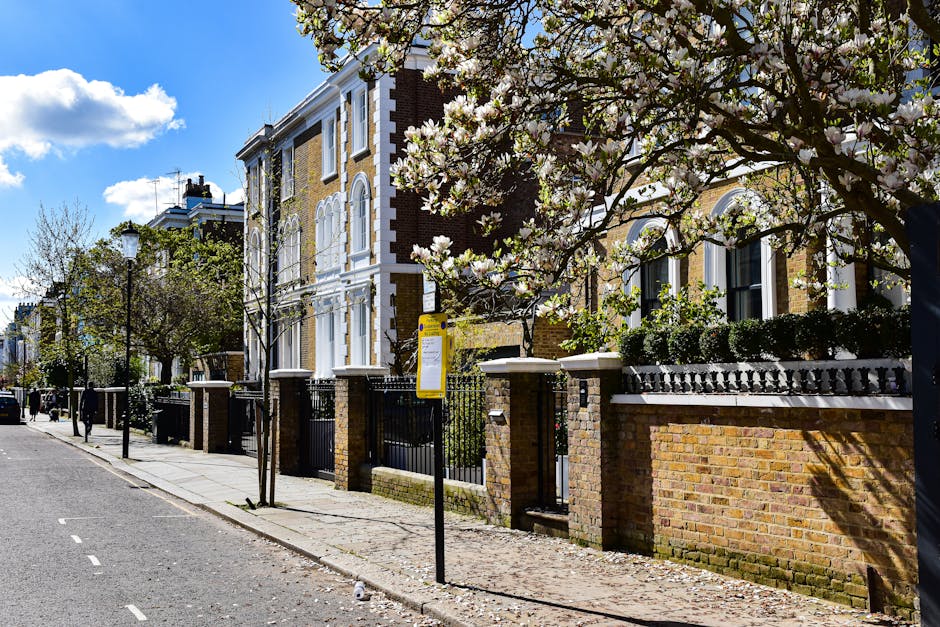
Brompton Road garden maintenance guide for SW3 terraces
Terrace gardens off Brompton Road have a particular feel to them. They are often compact, a little hidden from the street, and expected to look immaculate without ever feeling overdone. That balance can be tricky. A clipped hedge that looks elegant in May can suddenly feel boxy by July. A planter that seemed generous in spring can start to look crowded once the first flush of growth comes through. And if you live in SW3, you already know the standard is high. Neatness matters, but so does restraint.
This Brompton Road garden maintenance guide for SW3 terraces is designed to help you keep a small London garden healthy, tidy, and genuinely enjoyable to use. It covers the practical side of maintenance, the seasonal rhythm of care, common mistakes to avoid, and the decisions that matter when space is tight and expectations are not. If you are weighing up regular help, you may also want to look at the broader services overview and the current pricing and quotes information before you plan the work.
Truth be told, terrace gardening is less about grand gestures and more about steady, well-timed attention. Little jobs, done properly, keep everything looking composed. Miss them for too long, and the garden starts to fight back.
Table of Contents
- Why Brompton Road garden maintenance guide for SW3 terraces Matters
- How Brompton Road garden maintenance guide for SW3 terraces Works
- Key Benefits and Practical Advantages
- Who This Is For and When It Makes Sense
- Step-by-Step Guidance
- Expert Tips for Better Results
- Common Mistakes to Avoid
- Tools, Resources and Recommendations
- Law, Compliance, Standards, or Best Practice
- Options, Methods, or Comparison Table
- Case Study or Real-World Example
- Practical Checklist
- Conclusion
- Frequently Asked Questions
Why Brompton Road garden maintenance guide for SW3 terraces Matters
SW3 terraces are different from suburban gardens in a few key ways. They are usually smaller, more exposed to overlooking, and more dependent on detail. A single untidy corner can change how the whole space feels. A flowering climber in the wrong place can block light to a kitchen window. A neglected planter near a rear entrance can make the whole terrace seem forgotten, even if the rest of it is beautifully planted. That is the reality of compact London outdoor space.
Regular maintenance matters because terrace gardens are under constant pressure. Containers dry out quickly in warm spells. Wind can scorch foliage. Shade from neighbouring buildings can make some plants stretch awkwardly. Moss, algae, and leaf litter build up faster than many people expect. And because access is often through narrow side passages or shared entrances, the garden needs to stay manageable rather than sprawling.
There is also the practical side. A tidy terrace tends to be easier to use, easier to water, and less expensive to keep on top of. Once plants become overgrown or root-bound, the work shifts from maintenance to recovery. That is a much bigger job, and honestly, a less pleasant one.
For many homeowners and tenants, the goal is not a show garden. It is a garden that looks polished from the kitchen, works well for sitting out on a clear evening, and does not become a weekend chore. That is a sensible goal, and a realistic one.
How Brompton Road garden maintenance guide for SW3 terraces Works
Good terrace maintenance is a cycle, not a one-off event. The work usually falls into a few repeating tasks: checking plant health, watering correctly, trimming growth, feeding where needed, clearing debris, and adjusting the layout as the season changes. Done together, these small tasks keep the garden looking intentional instead of busy for the sake of it.
In practice, the maintenance approach for an SW3 terrace often starts with structure. What are the permanent elements? Pots, planters, small trees, climbers, trellis, maybe a narrow strip of soil if you are lucky. Once the structure is clear, you can maintain it with less guesswork. A good structure also means fewer rushed decisions later, which is helpful when the weather turns hot and the plants suddenly need attention twice as often.
For many properties, the work is seasonal but not strictly seasonal. In spring, the emphasis is on renewal. In summer, it is on watering, feeding, and trimming. In autumn, leaf clearance and plant protection matter more. In winter, the job shifts to safeguarding roots, checking drainage, and preventing weather damage. A terrace garden does not really hibernate; it just changes pace.
If you are using outside help, it is worth choosing a provider that can handle both the visible finish and the practical clean-up. Services such as health and safety-focused working practices and insured garden care are not glamorous topics, but they matter when work is being done in tight spaces, near glass, stone steps, and expensive planting.
Key Benefits and Practical Advantages
Well-managed terrace maintenance pays off in ways that are easy to miss until something goes wrong. The first benefit is visual consistency. A small garden looks best when the plants, pots, and hard surfaces all feel coordinated. If one section starts to sprawl, the whole terrace can look smaller and more cluttered than it really is.
The second benefit is plant health. Consistent pruning, deadheading, feeding, and watering help prevent avoidable stress. In compact spaces, plants compete more directly than they do in larger gardens. One neglected planter can pull down the appearance of the whole area. One overloaded climber can reduce airflow and invite problems. You know the sort of thing: it starts with one slightly drooping pot, then suddenly the whole corner looks tired.
Other practical advantages include:
- better use of a small footprint
- less chance of slippery surfaces from algae or debris
- more reliable flowering and foliage shape
- easier seasonal changeovers
- reduced risk of expensive plant replacement
- less time spent on emergency tidy-ups before guests arrive
There is also a wellbeing angle, although it is not always talked about enough. A terrace that feels ordered and alive tends to invite use. People step outside more often. They notice the light, the scent of herbs after rain, the sound of leaves moving in a light breeze. Small gardens can still give a sense of calm, which is one reason they are worth maintaining properly.
Who This Is For and When It Makes Sense
This guide is useful if you own, rent, manage, or regularly use a terrace property in SW3 and want the outdoor space to stay presentable without becoming a burden. That includes homeowners who want year-round reliability, landlords trying to protect property appeal, and busy residents who simply do not have time to keep track of deadheading, feeding, and edging every week. Let's face it, not everyone wants to spend Saturday afternoon wrestling a shrub in a narrow courtyard.
It makes particular sense when:
- your terrace is small and highly visible from inside the house
- you rely on containers or raised beds rather than open borders
- plants dry out quickly because of sun, wind, or heat reflection
- the garden is used for entertaining and needs to look neat on short notice
- you have climbers, topiary, or more formal planting that needs regular shaping
- you want maintenance to support long-term planting, not just surface tidiness
It is also relevant if you are considering a professional service rather than a purely DIY approach. Many clients start by handling the easy parts themselves, then bring in help for pruning, seasonal reset work, or the heavier clear-outs. That hybrid model can work well, especially in London where time is limited and the weather does not always cooperate.
Step-by-Step Guidance
A practical terrace maintenance routine should be simple enough to repeat. The more complicated it becomes, the less likely it is to happen consistently. A good rule is to divide the work into a weekly check, a monthly maintenance round, and seasonal tasks.
1. Start with a quick visual inspection
Walk the terrace and look for obvious issues: dry compost, yellowing leaves, broken stems, clutter on the paving, and any plants outgrowing their space. This takes only a few minutes, but it often reveals the work that matters most. If something looks slightly off, trust your eye. Garden problems usually start subtly.
2. Water properly, not just frequently
Container planting in SW3 terraces often needs more attention than people expect. Water deeply enough to reach the root zone, then let the top layer of compost dry a little before watering again. Light, frequent watering can encourage shallow roots. On a warm July morning, pots can dry out alarmingly fast, especially if they sit against brick walls or reflect heat from paving.
3. Remove dead flowers and damaged growth
Deadheading improves appearance and often encourages more flowering. Remove damaged stems, faded blooms, and anything that looks diseased. This keeps the garden fresh and also helps prevent problems from spreading. You do not need to be precious here; a firm snip is often better than waiting for perfection.
4. Trim for shape and airflow
In small gardens, shape matters. Keep shrubs, climbers, and topiary within their intended outline. Make selective cuts rather than shearing everything flat, unless the plant actually suits that treatment. Good airflow matters too, especially in sheltered terraces where dampness can linger after rain.
5. Feed according to plant need
Not every plant needs the same feed, and more is not always better. Flowering containers may appreciate a regular liquid feed in the growing season, while established shrubs often need less. Read the plant label if you have one, and keep notes if you notice a pattern. A little organisation goes a long way here.
6. Clear surfaces and edges
Remove fallen leaves, seed heads, and pot debris from paving, steps, and drainage points. On compact terraces, the hard surfaces are part of the garden's appearance. Clean edges make everything feel sharper. It is a small thing, but it makes a big difference, especially near the end of the day when the light is low and shadows pick out every untidy bit.
7. Reassess the layout each season
Pots move. Plants grow. Light changes. A terrace arrangement that worked in April may feel cramped by August. Be prepared to rotate containers, swap out seasonal planting, or lift a pot out of a gloomy corner. The best terrace gardens are flexible, not fixed.
Expert Tips for Better Results
One of the most useful habits is to group plants by water need, not just by appearance. If you mix thirsty plants with drought-tolerant ones in the same corner, someone will always be unhappy. Usually the plant. Sometimes the owner. Grouping by need saves time and reduces stress.
Another helpful approach is to think vertically. SW3 terraces often have more height than width, so trellis, wall planting, climbing roses, jasmine, and slender structural pots can add impact without crowding the floor space. That said, vertical planting should still be manageable. If you can only maintain it with a ladder and a prayer, it has probably gone too far.
Use fewer, better containers rather than a large number of small ones. Larger pots hold moisture better, support healthier roots, and generally look more settled. They also tend to be easier to maintain. Tiny pots may seem elegant at first, but they can turn into a water-management headache very quickly.
For hard landscaping, clean lines help. Edges around paving, raised beds, and planters should be crisp, not overgrown. A terrace garden in Brompton Road often looks best when the planting is lush but controlled. That contrast is elegant. It feels deliberate.
If sustainability matters to you, ask how green waste is handled. Some maintenance teams now prioritise responsible disposal and reuse. You can read more about that approach in the company's recycling and sustainability information. It is a small detail, but one that tells you a lot about overall practice.
Finally, do not underestimate lighting. A garden that looks ordinary in bright daylight can feel excellent in the evening if the structure is right. Even without full lighting design, keeping the terrace clean, balanced, and uncluttered makes a quiet difference after dusk.
Common Mistakes to Avoid
Most terrace maintenance problems are not dramatic. They are the result of small, repeated missteps. That is actually good news, because small mistakes are easier to correct once you spot them.
- Overwatering containers - especially in shaded or sheltered spots where compost dries slowly.
- Letting climbers run unchecked - they can quickly dominate windows, railings, or adjacent planting.
- Using too many plant types - the result can look busy rather than composed.
- Ignoring drainage - blocked saucers and clogged run-off areas can cause soggy roots and slippery surfaces.
- Pruning at the wrong time - some plants recover well, others do not.
- Assuming one big tidy-up will solve everything - it usually does not.
A very common mistake in SW3 terraces is trying to make the garden look full at all times. That often leads to overcrowding. It is better to leave a little breathing room. Plants need it, and so do you. A terrace with space feels more expensive, more restful, and more intentional. Funny how that works.
Another issue is forgetting the hidden parts of the garden. The bit behind the bench, the back edge of a planter, the drainage strip by the wall, the underside of a climber. Those corners matter. Neglect tends to gather there first.
Tools, Resources and Recommendations
You do not need a huge toolkit for terrace maintenance, but a few sensible tools make the job much easier. Keep things simple and good quality where it counts. Cheap tools can be frustrating, and in a confined garden, frustration usually means procrastination.
| Tool or resource | Best use | Why it helps on SW3 terraces |
|---|---|---|
| Hand pruners | Deadheading and light trimming | Precise cuts suit compact planting and topiary |
| Long-spout watering can or hose attachment | Controlled watering | Helps reach pots without splashing paving |
| Stiff hand brush | Cleaning paths and steps | Useful for leaf litter and debris on stone or tile |
| Garden gloves | General maintenance | Protect hands when handling thorny or coarse plants |
| Compost scoops and trowel | Re-potting and top-ups | Handy for container refreshes in tight spaces |
| Plant labels or notes app | Tracking care needs | Stops feeding and pruning routines becoming guesswork |
For residents who prefer professional help, it makes sense to check service scope before booking. A clear service overview should tell you what is included, while the pricing and quotes page helps set expectations before any work begins. That kind of clarity saves hassle later. No one likes surprises in invoicing, not really.
Also worth checking: the provider's approach to privacy, payments, and administration. It sounds dry, but it is part of a professional experience. If you want to review the site's payment and security guidance, that can help you understand how transactions are handled. Small reassurance, yes. Still useful.
Law, Compliance, Standards, or Best Practice
For garden maintenance in London, the most important point is to follow sensible best practice and be mindful of safety, neighbours, access, and property condition. This is especially relevant on terraces where work may involve steps, shared access routes, decorative paving, or work close to windows and railings.
If a contractor is working on your property, it is reasonable to expect safe handling of tools, careful movement of waste, and appropriate insurance. You should also expect clear communication about what is being done, especially if the work involves pruning larger shrubs, using powered equipment, or entering areas with limited access. The exact legal position can vary depending on the property and the work, so a cautious, practical approach is best.
For that reason, it is sensible to review a provider's health and safety policy and insurance and safety information before work starts. These pages help signal that the operator thinks carefully about risk, which matters in densely built areas like SW3.
If you are managing a property for someone else, keep a record of maintenance dates, any plant replacements, and any concerns raised by occupants or neighbours. That is simply good practice. It helps with continuity and avoids the irritating "who last watered this?" conversation that can happen far too easily.
Options, Methods, or Comparison Table
There is more than one way to maintain a terrace garden. The right method depends on your time, the complexity of the planting, and how polished you want the result to feel.
| Approach | Best for | Pros | Trade-offs |
|---|---|---|---|
| DIY weekly maintenance | Simple planting schemes and very hands-on owners | Low cost, flexible timing, full control | Easy to miss seasonal tasks; can become inconsistent |
| Occasional tidy-up service | Gardeners who mainly need a reset | Good for overgrown or neglected spaces | May not prevent issues between visits |
| Regular maintenance visits | Busy households and high-visibility terraces | Consistent appearance, easier plant health management | Higher ongoing cost than DIY |
| Hybrid approach | Owners who can do small jobs but want help with bigger tasks | Practical, cost-aware, adaptable | Requires clear division of responsibilities |
In many Brompton Road properties, the hybrid approach is a good fit. It allows the owner to water, observe, and enjoy the garden, while a professional handles heavier pruning, seasonal reshaping, and the jobs that need a steadier hand. That balance is often easier to sustain over a year, and it tends to work out better than trying to do everything in one exhausting burst.
Case Study or Real-World Example
Consider a classic SW3 terrace with a narrow rear space, two large pots by the French doors, a climber on a trellis, and a small seating area. In spring, the garden looks promising but slightly sparse. By early summer, the climber has taken off, the pots are filling out, and the whole terrace starts to feel much richer. Then a busy fortnight passes. Nobody deadheads the flowers. The pots dry out once or twice. Leaves collect in the back corner. Nothing disastrous. Just enough to dull the effect.
A sensible maintenance visit in that situation would usually focus on a few things at once: cutting back straggly growth, rebalancing the climber, refreshing compost in the containers, cleaning the paving, and checking which plants need more light or a change of position. The goal is not to redesign the garden. It is to restore confidence in it.
That is often the turning point with terrace gardens. Once the structure is back under control, the space feels usable again. People sit outside more. They notice the planting instead of the clutter. And because the garden has a manageable framework, it is easier to keep that way. Not perfect. Just properly looked after. Which, in a place like Brompton Road, is usually exactly the point.
Practical Checklist
Use this checklist as a quick maintenance reset for an SW3 terrace garden:
- Inspect pots, planters, and borders for dryness or waterlogging
- Deadhead flowers and remove damaged leaves
- Trim climbers, shrubs, and topiary to maintain shape
- Clear leaves and debris from paving, steps, and corners
- Check for pests, mildew, or signs of stress
- Top up compost where roots are showing
- Confirm drainage holes are not blocked
- Rotate containers if one side is getting too much shade or heat
- Review the layout and remove anything that feels crowded
- Note anything that needs a bigger seasonal job later
Expert summary: keep the garden simple enough to maintain, structured enough to look deliberate, and flexible enough to handle London weather without constant rescue work. That combination is what makes terrace gardens feel calm rather than cluttered.
Conclusion
A well-kept terrace on Brompton Road is not about trying to make a small space do too much. It is about making the most of what is already there. With the right routine, even a modest SW3 terrace can feel elegant, settled, and easy to enjoy through the seasons. The secret is consistency: small checks, tidy edges, healthy planting, and the willingness to adjust when the garden starts telling you it needs something different.
If you are planning regular upkeep, or you want help bringing an overgrown terrace back under control, the smartest next step is to review the available garden maintenance services and request a clear quote. You can also read the company's recycling and sustainability approach if responsible green waste handling matters to you. Small choices like these add up.
Get a free quote today and see how much you can save.
And if your terrace is feeling a bit tired right now, that is fine. Gardens recover. Often faster than people expect, really.
Frequently Asked Questions
How often should a SW3 terrace garden be maintained?
Most terrace gardens benefit from a light weekly check, with a more complete tidy-up every few weeks during the growing season. In warmer months, container plants may need attention more often because they dry out quickly.
What is the biggest maintenance issue on Brompton Road terraces?
Container stress is one of the most common issues. Pots can dry out fast in sun and wind, while shaded corners can hold moisture too long. Balancing water, drainage, and plant choice is usually the key.
Do terrace gardens need different care from larger gardens?
Yes. Small gardens often need more precision. You have less room for plants to recover naturally, so watering, pruning, and layout decisions matter more. A small problem can become visually obvious very quickly.
Can I maintain an SW3 terrace myself?
Absolutely, especially if the planting is simple and you enjoy garden care. Many owners handle watering, deadheading, and light tidying themselves, then bring in help for pruning, seasonal resets, or heavier work.
When is the best time to prune terrace plants?
That depends on the plant. Some shrubs and climbers respond best in late winter or early spring, while others are better pruned after flowering. If in doubt, identify the plant first rather than cutting on autopilot.
How can I stop pots from drying out so quickly?
Use larger containers where possible, add mulch or top dressing, group plants with similar water needs, and water deeply rather than little and often. Positioning pots away from harsh reflected heat can also help.
What should I look for in a professional garden maintenance service?
Look for clear service scope, sensible communication, insurance, and safe working practices. It also helps if the provider understands compact London gardens and can work neatly in tight access areas.
Are there safety concerns with maintenance on terraces?
Yes, especially where there are steps, narrow passages, heavy pots, or work close to glass and railings. Good practice includes careful tool handling, controlled movement of waste, and a tidy work area throughout the visit.
How do I know if my terrace garden needs a full refresh?
If plants are overcrowded, the layout feels awkward, compost is depleted, or the whole space looks tired despite regular care, a refresh may be the right move. Sometimes a reset is easier than trying to rescue every individual plant.
What plants usually work well on SW3 terraces?
Plants that suit containers, partial shade, or changing conditions tend to do well. Many terrace gardeners choose a mix of structural evergreens, seasonal colour, climbers, and herbs. The key is to match the plant to the light and the space.
Is sustainability relevant in terrace garden maintenance?
Yes, very much so. Responsible waste handling, composting where possible, and choosing long-lived plants can reduce waste over time. If sustainability matters to you, it is worth checking how a provider manages green waste and materials.
How do I keep a terrace looking good between maintenance visits?
Focus on the visible basics: water correctly, remove dead flowers, sweep hard surfaces, and move anything that has become cluttered. Small habits make a bigger difference than occasional big efforts, especially in compact gardens.
For readers who want help with accessibility, complaints, or site policies, the relevant information is available through the company's published support pages, including the accessibility statement and complaints procedure. If you are simply gathering information first, that is perfectly fine too. Taking a little time to choose well is never wasted.