South Kensington apartment gardeners for courtyard gardens: a practical guide for elegant, low-fuss outdoor spaces
If you live in South Kensington, you already know the value of outdoor space is not just about size. It's about how it feels on a quiet morning, how it looks from the kitchen window, and whether it still feels welcoming after a wet week and a bit of London soot. That is exactly where South Kensington apartment gardeners for courtyard gardens come in. Courtyard gardens in apartment settings need a different kind of care: thoughtful planting, tidy structure, and maintenance that works around limited access, shared buildings, and the realities of city living.
This guide explains how courtyard garden maintenance works, what makes these spaces tricky, how to choose the right service, and what good results actually look like in practice. You'll also find a checklist, comparison table, common mistakes, and answers to the questions people genuinely ask before they book anything. Simple as that.
Table of Contents
- Why South Kensington apartment gardeners for courtyard gardens matters
- How South Kensington apartment gardeners for courtyard gardens works
- Key benefits and practical advantages
- Who this is for and when it makes sense
- Step-by-step guidance
- Expert tips for better results
- Common mistakes to avoid
- Tools, resources and recommendations
- Law, compliance, standards, and best practice
- Options, methods, and comparison table
- Case study or real-world example
- Practical checklist
- Conclusion
- Frequently asked questions
Why South Kensington apartment gardeners for courtyard gardens matters
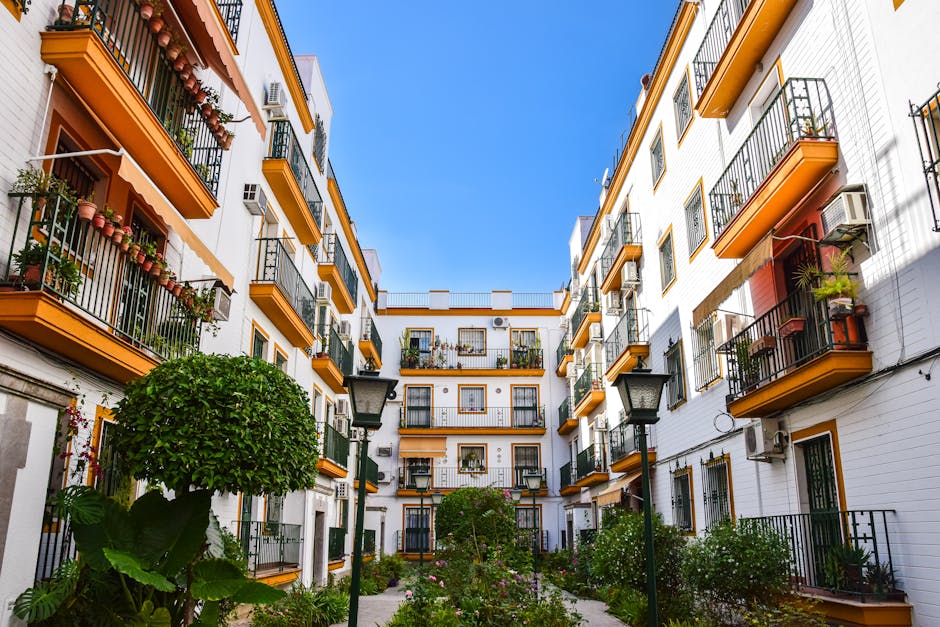
Courtyard gardens in apartment buildings are a bit like good tailoring: when they fit well, everything looks effortless. When they don't, the flaws show up fast. A narrow planting bed, a shaded corner, or a drainage issue can turn a charming little space into a damp, cluttered patch that nobody really uses. In South Kensington, where buildings are often period properties, conversions, mansion blocks, or smart modern apartments tucked behind grand facades, courtyard gardens usually have their own quirks.
That's why specialist apartment gardeners matter. They are not simply "gardeners who can cut grass." They understand confined access, shared ownership, privacy needs, delicate planting in partial shade, and the importance of keeping common spaces looking refined rather than overworked. If you want the garden to support the character of the property rather than fight against it, a proper maintenance plan makes all the difference.
There's also a practical side. Courtyard gardens often sit right outside kitchens, reception rooms, or basement flats, so the garden becomes part of everyday life. One tired shrub or a clogged drain is noticed straight away. And let's face it, in London, a small outdoor space can become either your favourite room or a source of low-level annoyance. Usually both, if it's not maintained properly.
For landlords, managing agents, and residents' associations, there is another layer too: consistency. Shared gardens need predictable service, clear communication, and a team that can work tidily without disturbing neighbours. That's where a reliable local service can be worth more than a flashy one. For broader service context, it can help to look at the provider's garden care services overview and see whether courtyard maintenance is properly covered rather than treated as an afterthought.
How South Kensington apartment gardeners for courtyard gardens works
Good courtyard garden maintenance usually starts with a site visit or a detailed review of the space. The gardener looks at access points, light levels, paving, drainage, planting density, and the amount of routine work needed. In a compact South Kensington courtyard, even the direction of reflected light from nearby walls can affect what thrives and what sulks.
The work itself is usually planned around recurring maintenance rather than one-off "tidy ups." That might include:
- pruning shrubs and climbers to keep them in scale
- deadheading flowers and removing tired growth
- weeding between paving, along edges, and in beds
- checking irrigation, watering schedules, or moisture levels
- leaf clearance and seasonal cutbacks
- light lawn care if turf is present, though many courtyards use paving or gravel instead
- binning or recycling green waste responsibly
- keeping pathways clear and tidy for safe use
In apartment settings, there may also be coordination with a concierge, building manager, or residents' committee. That's normal. It just means the gardener needs to be organised, respectful, and able to work quietly and efficiently. Nobody wants a noisy strimmer at the wrong time on a Tuesday morning. Well, nobody with neighbours anyway.
Where the courtyard has ornamental features, pots, or vertical planting, maintenance becomes more detailed. Planters dry out faster than ground beds. Shade-loving plants need different treatment from sun-trapped terraces. And if the space is enclosed, humidity can build up, which changes how often you prune and water. In practice, a good gardener adjusts to the garden rather than forcing the same routine on every job.
Many clients also want the service to tie into wider property standards, so it can be useful to check things like insurance and safety cover and the company's health and safety policy. That is not red tape for the sake of it. It's what gives everyone confidence when work is being carried out in shared residential areas.
Key benefits and practical advantages
The best courtyard garden maintenance gives you more than visual neatness. It improves how the whole apartment feels.
- Better first impressions: In apartment buildings, the courtyard often shapes the first impression of the whole property.
- More usable space: A tidy, well-shaped courtyard becomes somewhere you actually want to sit with coffee, read, or open the doors in summer.
- Healthier planting: Regular care prevents overgrowth, fungus build-up, pest problems, and weak growth caused by neglect.
- Less reactive repair work: Catching issues early is usually cheaper and less disruptive than dealing with an overgrown or damaged space later.
- Cleaner shared living: Good garden care helps keep leaves, mud, and debris out of entrances and communal paths.
- Better seasonal rhythm: A courtyard can move cleanly through spring, summer, autumn, and winter without becoming a scramble every few months.
There is also a quieter benefit that people sometimes forget: a well-kept courtyard changes the mood of the building. You hear birds more clearly. You notice the scent of rosemary or jasmine on a warm evening. The space feels intentional. That matters, especially in dense parts of London where outdoor calm is at a premium.
For anyone weighing value against cost, it helps to review pricing and quote guidance so you can understand what is included before you commit. A clear quote is usually a better sign than an unusually cheap one, because cheap often means vague, and vague becomes expensive later. Funny how that works.
Who this is for and when it makes sense
This type of service is a strong fit for several groups, and the reasons vary a little.
Apartment owners
If you own a flat with direct access to a courtyard or garden terrace, professional maintenance can save time and stop the space from slipping into a patchwork of dead plants and awkward corners. If you are frequently away, it is even more useful. Plants still grow while you are on the train, obviously.
Landlords and managing agents
For rental properties, a courtyard can either add appeal or drag the whole place down. Regular maintenance helps protect presentation, tenant satisfaction, and the building's overall appearance. It also reduces complaints about untidy shared areas.
Residents' associations and block managers
Shared courtyards need a service that is reliable, discreet, and consistent. The maintenance schedule should suit access arrangements and the expectations of multiple residents, not just one person's preference.
Busy households
If you enjoy the courtyard but not the actual work, that's enough reason. Plenty of people want the garden to be beautiful without it becoming a weekend project. To be fair, that is a reasonable wish.
When it makes sense most
- the courtyard is shaded, compact, or awkwardly laid out
- there are mixed planting levels, pots, or vertical features
- the garden is overlooked and needs to stay smart
- shared access means tidiness and timing matter
- you want a seasonal plan rather than one-off interventions
If you are not sure whether a recurring service is justified, ask yourself one practical question: what happens if nobody does the maintenance for eight weeks? If the answer is "quite a lot," then a regular service will probably pay for itself in reduced stress alone.
Step-by-step guidance
A sensible courtyard garden maintenance process does not start with tools. It starts with observation.
- Assess the space properly. Look at light, wind, access, drainage, soil depth, and how people actually use the area.
- Agree the priority areas. Some courtyards need plant care first. Others need paving clearing, leaf removal, or privacy screening.
- Set the schedule. Weekly, fortnightly, or seasonal visits depend on planting density and how quickly the space changes.
- Match maintenance to the design. A formal courtyard with clipped shrubs needs a different approach from a relaxed, planted retreat.
- Keep records. Even a simple note of pruning, feeding, and replacement planting helps track what is working.
- Review after each season. What looked good in spring may be too dry by July, too bare in November, or too shaded once trees leaf out.
In real terms, the best results often come from small, repeatable actions. A 15-minute tidy in the right place can do more than a dramatic overhaul once a year. That's especially true in enclosed courtyards where every corner is visible. One neglected planter can make the whole space feel off.
Where sustainability matters, it is worth asking how clippings, soil, and packaging are handled. A useful reference point is the company's recycling and sustainability approach, which should give you a sense of how green waste and eco-conscious practices are managed. It's a small detail, but these small details add up.
Expert tips for better results
Courtyard gardens reward restraint. That is not always what people expect. Many clients initially want more plants, more colour, more "interest." Then they realise the space has limited light, limited soil, and limited tolerance for clutter. The best plan is usually the one that looks calm all year.
Choose plants that earn their keep
Pick species that suit shade, reflected heat, or container life. In many South Kensington courtyards, tough evergreens, ferns, heucheras, hellebores, seasonal bulbs, and clipped shrubs do a lot of work without demanding much drama.
Think in layers
Vertical planting, wall climbers, and varied container heights can make a small courtyard feel deeper. But the trick is not to overcrowd it. Leave breathing room. A garden needs negative space the way a room needs light.
Watch drainage carefully
Courtyards can trap water, especially where paving is older or the drainage points are hidden. If pots sit in water after rain, or moss starts spreading across stone, that is a sign the maintenance plan needs adjusting.
Use a seasonal routine
Spring growth, summer watering, autumn leaf clearance, and winter structure each need different attention. A single year-round routine often misses the point. One month you are encouraging growth, the next you are managing it. Not the same thing at all.
Keep access easy
In apartment buildings, tools, waste bags, and access routes matter. The smoothest jobs happen when the gardener can move without negotiating half the building each time. That is partly logistics and partly courtesy.
Ask for continuity where possible
Courtyard gardens improve faster when the same team sees them regularly. They learn where the dry patch appears, which corner gets the afternoon shade, and which plant always acts dramatic after a frost.
Common mistakes to avoid
Most courtyard garden problems are not caused by bad intentions. They come from small oversights repeated over time.
- Overplanting: Too many plants in too little space creates maintenance headaches and poor airflow.
- Using the wrong species: Full-sun plants in a shaded courtyard usually disappoint.
- Ignoring drainage: Standing water leads to slippery surfaces, weak roots, and ugly staining.
- Letting climbers run wild: Unchecked growth can take over windows, fencing, and light levels very quickly.
- Skipping seasonal pruning: Once a small shrub becomes a large one, it becomes harder to keep the garden elegant.
- Forgetting neighbours: Noise, access, and debris should all be handled considerately in apartment settings.
- Choosing the cheapest quote without clarity: If the scope is unclear, surprises usually follow.
A lot of people also forget that courtyard maintenance is partly about rhythm. The garden is not asking to be "done" once. It asks to be understood. That sounds a bit romantic, maybe, but it is true.
Tools, resources and recommendations
You do not need a massive tool shed to maintain a courtyard garden well. In fact, smaller, sharper, cleaner tools often make more sense in tight residential spaces.
| Tool or resource | Why it helps in a courtyard | Best use |
|---|---|---|
| Hand pruners and secateurs | Precise cuts without disturbing nearby planting | Clipping stems, shaping shrubs, deadheading |
| Lightweight leaf rake | Easy to use on paving and gravel | Autumn clearance and tidy-ups |
| Watering can or hose with control nozzle | Useful where irrigation is limited | Containers, new planting, dry spells |
| Moisture meter | Helps avoid guessing in shaded or enclosed areas | Checking pot and bed moisture |
| Green waste sacks or collection plan | Keeps shared spaces clean and compliant with site rules | Daily maintenance and seasonal cutbacks |
| Service checklist | Useful for building managers and residents | Tracking tasks and expectations |
For the resident or manager, the most useful "resource" is a clear service agreement. That should explain visit frequency, what is included, how waste is removed, and how issues are reported. If you also want to understand customer support standards and practical service boundaries, look at the provider's complaints procedure and payment and security information. Transparent admin is not glamorous, but it is reassuring.
Law, compliance, standards, and best practice
In apartment and shared-property settings, courtyard gardening is not just about appearance. It should also be handled safely and responsibly. Exact obligations can vary depending on the building, lease arrangements, access arrangements, and the type of work being carried out, so it is wise to treat compliance as a practical issue rather than a box-ticking exercise.
At a minimum, good practice usually includes:
- safe working methods for tools, ladders, and moving materials
- clear access arrangements so residents are not put at risk
- appropriate insurance for work on residential premises
- respect for communal areas, fixtures, and neighbouring properties
- responsible handling of green waste and recyclable materials
If a gardener is working in shared access spaces, asking about risk controls is sensible, not awkward. Good providers expect the question. In fact, they should welcome it. You can also review the company's accessibility statement if access needs matter to your household or building, particularly where pathways, steps, or entry arrangements may require consideration.
Where service quality and supply-chain ethics matter to your building or managing agent, broader company standards may also be relevant. A document such as a modern slavery statement is not about the garden itself, of course, but it can still signal how seriously a business takes responsible operations. That sort of thing matters more than people sometimes admit.
One more sensible note: if you are discussing recurring works in a managed block, make sure everyone understands who approves the work, who receives updates, and how issues are escalated. Clarity prevents the classic "I thought someone else had arranged it" situation. Very British. Very avoidable.
Options, methods, and comparison table
Not every courtyard needs the same level of service. Some just need seasonal refreshing; others need structured, regular care. Choosing the right method depends on how the garden is used, how visible it is, and how much work the planting generates.
| Approach | Best for | Pros | Trade-offs |
|---|---|---|---|
| Monthly maintenance | Low-growth courtyards with simple planting | Cost-conscious, straightforward | Can feel sparse if the garden changes quickly |
| Fortnightly visits | Most apartment courtyards | Good balance of control and cost | Needs clear scope so small issues are not missed |
| Seasonal visits only | Very low-maintenance spaces | Simple, less frequent disruption | Not ideal for dense planting or visible entrances |
| One-off tidy and reset | Neglected or newly acquired spaces | Fast improvement | Needs follow-up, or the garden slides back |
| Planned ongoing care | Premium courtyard gardens and shared spaces | Most consistent, best long-term value | Requires a clear schedule and budget |
If your courtyard is small but prominent, planned ongoing care usually wins. If it is purely decorative and lightly planted, a seasonal approach may be enough. The trick is being honest about the space, not hoping it will somehow look after itself. It won't. Gardens are polite like that, but unforgiving.
Case study or real-world example
Imagine a South Kensington apartment courtyard tucked behind a stucco-fronted building. The space is narrow, shaded for much of the day, and bordered by pale stone that shows dirt quickly. The residents want it to feel calm and elegant, not busy. The previous setup had too many pots, a couple of thirsty plants, and a climber that had decided the wall belonged to it.
A sensible maintenance plan would start with a reset: reduce the overcrowding, identify plants suited to shade and container life, improve drainage where possible, and create a clearer structure with a few well-chosen focal points. The gardener would then move to routine care: weekly checks in warmer months, light pruning, deadheading, sweeping, and a close eye on watering. Nothing flashy. Just consistent attention.
After a few weeks, the space would feel different. Not bigger, obviously. But calmer. The paving would look cleaner, the planting would read as intentional rather than random, and the residents would stop noticing the courtyard only when something had gone wrong. That is usually the real goal. Quiet competence.
In a shared building, that kind of result also lowers friction. People are less likely to complain, less likely to feel the garden is "nobody's job," and more likely to use the space. Which is, after all, the point.
Practical checklist
Use this before you book or review a service. It keeps the conversation clear.
- Do we know the courtyard's main problem areas?
- Are the plants suited to shade, exposure, or container conditions?
- Is access easy for the gardener, tools, and waste removal?
- Do we need regular visits or just seasonal maintenance?
- Is drainage working properly after heavy rain?
- Are paving, edges, and steps kept safe and clear?
- Has the provider explained what is included in the quote?
- Do we understand how waste is handled and recycled?
- Has insurance and safety been confirmed?
- Do residents or managers know who to contact if something changes?
Expert summary: The best courtyard garden service is usually the one that combines careful plant knowledge, tidy working habits, and clear communication. In compact South Kensington spaces, those three things matter more than grand promises or dramatic before-and-after talk.
Conclusion
South Kensington courtyard gardens can be quietly beautiful, but only if they are maintained with the realities of apartment life in mind. Light is limited. Access can be awkward. Neighbours are close. And every detail shows. That is precisely why specialist care makes sense. It protects the garden's character, keeps the space usable, and gives the property a calmer, more polished feel.
The best results come from thoughtful planning, regular attention, and a team that understands how to work in shared residential settings without making a fuss. Not every garden needs a full redesign. Sometimes it just needs the right hands on it, consistently, with a bit of judgement. And that, truth be told, is what makes the difference.
If you are comparing options, reviewing scope, or simply trying to get a courtyard back under control, start with a clear conversation and a proper quote.
Get a free quote today and see how much you can save.
Frequently Asked Questions
What do South Kensington apartment gardeners for courtyard gardens actually do?
They maintain compact residential outdoor spaces, usually by pruning, weeding, watering, sweeping, shaping planting, and keeping the courtyard tidy and safe. In apartment settings, they also work around access arrangements and shared-use concerns.
How often should a courtyard garden be maintained?
That depends on the planting and the season. Many courtyard gardens benefit from fortnightly visits, while lower-maintenance spaces may only need monthly or seasonal care. Heavily planted or highly visible courtyards usually need more regular attention.
Is courtyard garden care different from regular lawn mowing?
Yes, quite a bit. Courtyard work usually involves tighter spaces, more pruning, more container care, less lawn, and more attention to presentation. You may barely have any turf at all, which is common in South Kensington apartments.
Can gardeners work in small or awkward apartment courtyards?
Yes. In fact, that is where a skilled gardener adds the most value. Small courtyards often need more judgement than space. The key is having the right tools, clear access, and a plan that respects the layout.
What plants work best in shaded courtyard gardens?
Shade-tolerant plants such as ferns, hellebores, heucheras, climbers suited to low light, and many evergreen structure plants can work well. The exact choice depends on how much reflected light, shelter, and moisture the courtyard receives.
How do I know if my courtyard needs a full refresh?
If the planting is overcrowded, the drainage is poor, or the space no longer feels balanced, a refresh may help. Signs like persistent weeds, tired containers, and patchy growth usually mean the layout needs attention rather than just more watering.
What should be included in a maintenance quote?
A good quote should explain the visit frequency, tasks included, waste removal, and any extra charges for planting replacement or heavier remedial work. Clear pricing is especially helpful in shared buildings where responsibilities can be blurred.
Do courtyard gardeners need insurance?
They should, especially when working in residential buildings or shared areas. Insurance helps protect both the client and the service provider if something goes wrong. It is sensible to ask about it before any work begins.
Can green waste be removed sustainably?
Yes, usually through responsible collection, composting where possible, and proper recycling routes. If sustainability matters to your building or household, ask how the service handles waste and whether it follows a recycling-focused approach.
What if multiple residents have different opinions about the courtyard?
That happens often in apartment buildings. The best approach is to agree a basic maintenance standard, identify the main goals for the space, and keep communication simple. A clear plan reduces disagreements and avoids endless tinkering.
Are one-off courtyard tidy-ups worth it?
Yes, if the space has been neglected or you need a reset before moving to ongoing care. A one-off tidy can make a big difference. Just be aware that without follow-up, the garden can slip back fairly quickly.
How do I choose the right local gardener for a courtyard garden?
Look for experience with apartment settings, not just general garden work. Ask about access, safety, insurance, sustainability, and how they handle regular maintenance versus one-off visits. A provider with clear service pages and transparent policies is usually easier to trust.